Pickleball insoles: support, performance & injury prevention
Pickleball places unique stresses on the feet and lower limbs, making supportive insoles an important part of injury prevention. The sport involves constant lateral shuffling, rapid forward bursts, abrupt stopping, and repetitive loading through the forefoot — all of which can fatigue the intrinsic foot muscles and strain the plantar fascia, Achilles tendon, shins and knees. Because many courts are hard surfaces and players often spend long sessions on their feet, even small biomechanical imbalances can compound into soreness or chronic issues.
Pickleball-specific insoles, such as
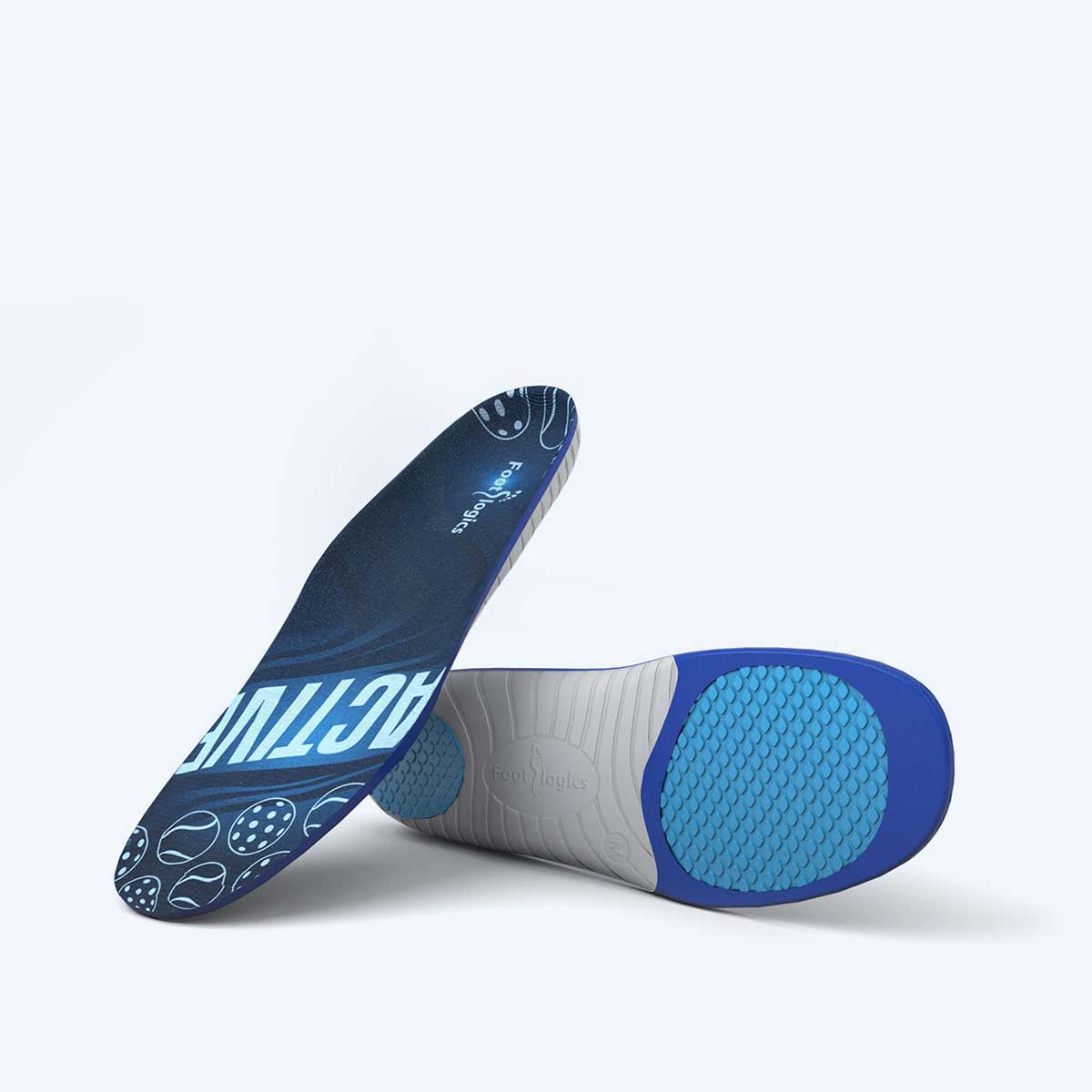
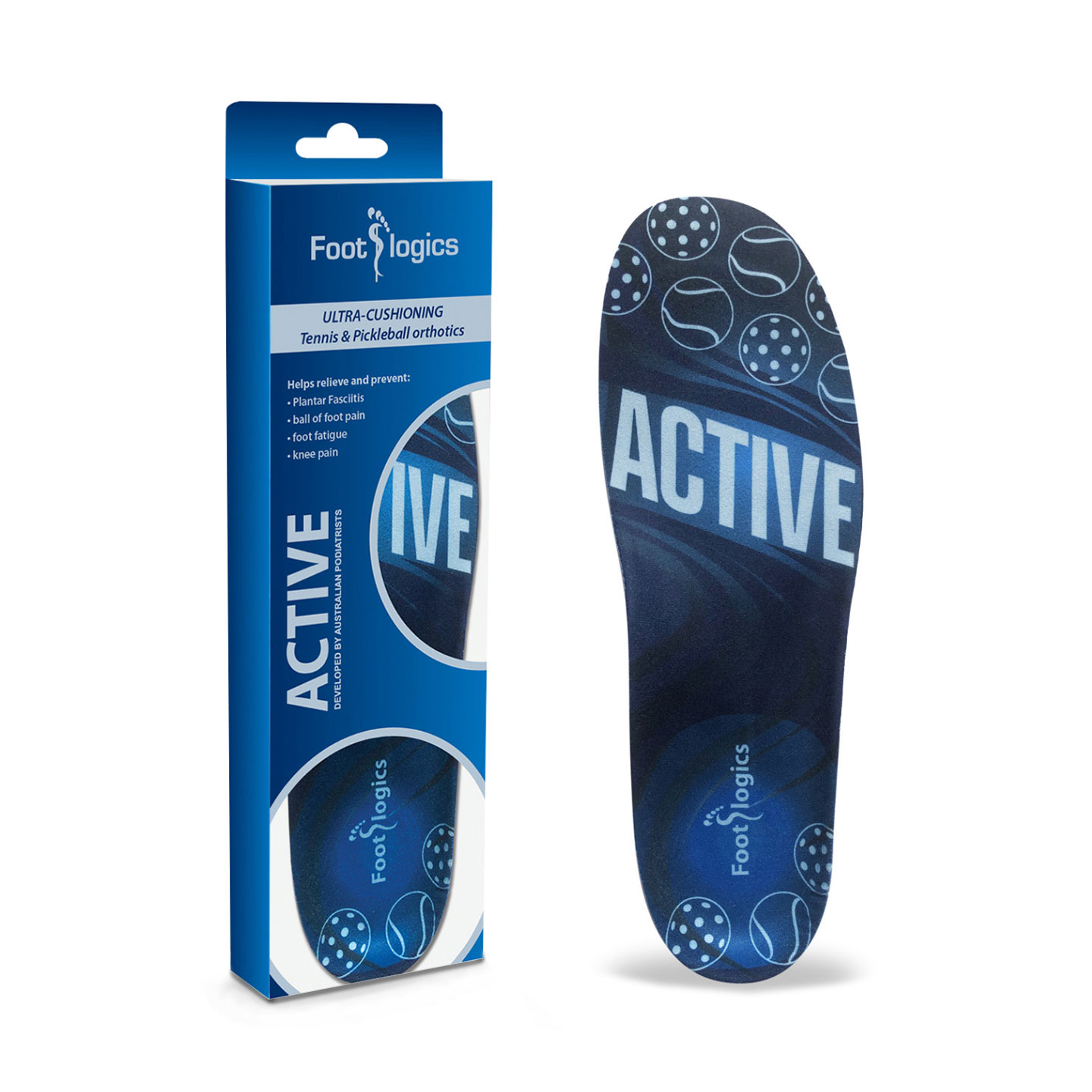
Footlogics Active, are designed to counter these stresses by improving alignment, stability and shock absorption. The firm, ergonomically shaped nylon shell in the Footlogics Active insole helps control excessive pronation, allowing the foot and ankle to stay in a neutral position during quick changes of direction. This reduces strain on the plantar fascia and lowers the risk of
Plantar Fasciitis — one of the most common conditions seen in active court-sport players.
The orthotic also supports the heel and midfoot, reducing load on the Achilles tendon during forward accelerations and abrupt stops. Its enhanced 25mms of
forefoot cushioning helps absorb repetitive impacts when lunging or pushing off the balls of the feet, easing stress on the shins and knees. By distributing pressure more evenly and reducing abnormal motion, Footlogics Active insoles can lessen foot fatigue, improve comfort over long matches and help players maintain better movement mechanics throughout a session.
Ultimately, Footlogics Active insoles were engineered specifically for pickleball and tennis athletes, providing targeted support that not only helps prevent common overuse injuries but also makes the sport more enjoyable by keeping the feet comfortable, stable and protected.
The history of Pickleball and how is it different from tennis?
Pickleball has gone from a fun game to play in the backyard to one of the fastest-growing sports in Australia. Three dads—Joel Pritchard, Bill Bell, and Barney McCallum—came up with a game to keep their kids busy on a shorter court using a perforated plastic ball and wooden paddles. This all started in 1965 on Bainbridge Island, Washington. According to family stories, the word “pickleball” derived from either the
Pritchards’ dog Pickles or the rowing term “pickle boat.” Either way, the sport’s friendly, social roots stuck.
Pickleball is similar to tennis, badminton, and table tennis in terms of mechanics, but it is different because it has a lot of short sprints, quick lateral shuffles, and low, explosive motions at the net (the “kitchen”). Players do short bursts of speed, slow down, and change direction quickly over and over again. These actions put a lot of stress on the stability of the ankles, control of the hips, and sequencing of the core. To hit the ball efficiently, the trunk must rotate and the weight must move from the rear foot through the hips to the upper limb. At the same time, a slower ball and a smaller court mean that there are more short, quick accelerations than in tennis. Training that focuses on lateral strength, braking mechanics, and reactive balance will consequently help you
play better on the court.
Pickleball injuries and complaints – why insoles are important
More injuries have happened as it has become more popular. Emergency room and surveillance data show that pickleball injuries have gone up a lot in the last ten years. Common injuries include falls, soft-tissue strains (knees, hips, hamstrings, shoulders), sprains, and fractures. There have also been reports of eye injuries from being hit by a ball or paddle. Falls and fractures happen more often to older persons, who make up a large part of the participants. The tendency is probably due to a huge increase in the number of people playing and a lot of new players who may not be in shape or have had training in how to move in a sport.
Common foot injuries associated with this sports are Plantar Fasciitis,
Ball of Foot pain (metatarsalgia), and Achilles Tendonitis, as well as Shin pain. A supportive and cushioning pickleball insole can make all the difference in preventing these common complaints!
How many people are playing Pickleball?
The Sports & Fitness Industry Association’s most current topline reports say that around 20 million Americans played pickleball in 2024. This is a growth of tens of percent from the previous year and is one of the quickest rises of any recreational sport in modern times, according to observers. In Australia, the registered number of players stands at close to 100,000 according to
Pickleball Australia
Why is pickleball so popular? The reasons are practical: low barrier to entry (easy rules and cheap equipment), small court footprint (easier for parks and community centers to install courts), strong social/community aspects, adjustable intensity for all ages, and high replay value (fast rallies, doubles play). Interest in outdoor, accessible activities grew during the COVID-19 era, and media coverage and celebrity endorsements have kept it going strong.
The importance of good Pickleball shoes
Good shoes are very important! There’s no point in buying pickleball orthotic insoles when your shoes are not up to scratch. Because the sport requires quick stops and lateral moves, you should get shoes that have: (1) a strong upper and good lateral stability; (2) outsoles that don’t leave marks and grip well on your court surface; (3) torsional support or a shank to keep your midfoot from twisting too much; and (4) enough cushioning for repeated impacts on the forefoot, especially for players who volley and move forward a lot. It’s better to use court-specific shoes, such tennis or pickleball shoes, than running shoes. Change your shoes often and talk to a podiatrist if you already have foot or knee problems.
ASICS Gel-Resolution, K-Swiss Express Light, and a few more recent court types made for lateral durability are among of the
most popular and suggested selections. Pickleball’s quick ascent can be explained by its combination of being easy to play, being social, and being a challenging activity. However, players should treat it like any other sport and train their movements, protect their joints, and wear shoes that are unique to the court to lower their chance of injury and get the most out of their play.
Footlogics Pickleball insoles
Developed with pickleball players in mind our new premium orthotic insoles provide a unique balance of support and cushioning:
- firm nylon shell for arch support and lateral stability
- thick P.U. base for cushioning and shock absorption
- added cushioning in the forefoot
- Polymer gel pads under the heel and forefoot
Pickleball players in the USA can also by our new Active insoles.